
Eco Urbanite

Our Mission: To Protect and Preserve Our Planet for Future Generations.

Eco Urbanite

The true urbanite finds balance in the cityscape by embracing green solutions for a sustainable tomorrow.

Eco Urbanite

Living as an Eco Urbanite means thriving in the city while treading lightly on the Earth.

Eco Urbanite

Urban living and eco-consciousness can coexist; it starts with small changes and big dreams.

Eco Urbanite

The Eco Urbanite turns concrete jungles into green sanctuaries, one step at a time.

Eco Urbanite

In the heart of the city, an Eco Urbanite cultivates harmony between progress and the planet.

Monday, December 15, 2025

Save the Planet, Protect the Civilization

Save the Planet, Protect the Civilisation | Eco Urbanite

Save the Planet, Protect the Civilisation

By Devanand Sah | December 15, 2025

In an era of accelerating environmental crises, the interconnected threats of climate change, biodiversity loss, pollution, and land degradation endanger not just ecosystems but the very foundations of human civilisation. Drawing on the latest 2025 scientific assessments, this comprehensive article examines these challenges, expert analyses, and pathways to transformative action.

Earth from space illustrating the visible effects of climate change, such as shrinking ice caps and changing landscapes
Earth from space showing the impacts of climate change (Credit: NASA/Space.com)

Introduction: A Planet in Peril

Earth, humanity's sole habitat, faces unprecedented pressures from human activities. The United Nations Environment Programme's (UNEP) Global Environment Outlook-7 (GEO-7), released in December 2025 and authored by 287 scientists from 82 countries, describes these as a "triple planetary crisis" of climate change, biodiversity loss, and pollution, compounded by land degradation. These issues cost trillions annually, exacerbate poverty, threaten food and water security, and risk irreversible damage to societal structures.

Protecting the planet equates to safeguarding civilisation. Extreme weather displaces millions, ecosystem collapse undermines economies, and unchecked degradation could mirror historical societal collapses—albeit on a global scale. Yet, hope persists through integrated solutions and collective will.

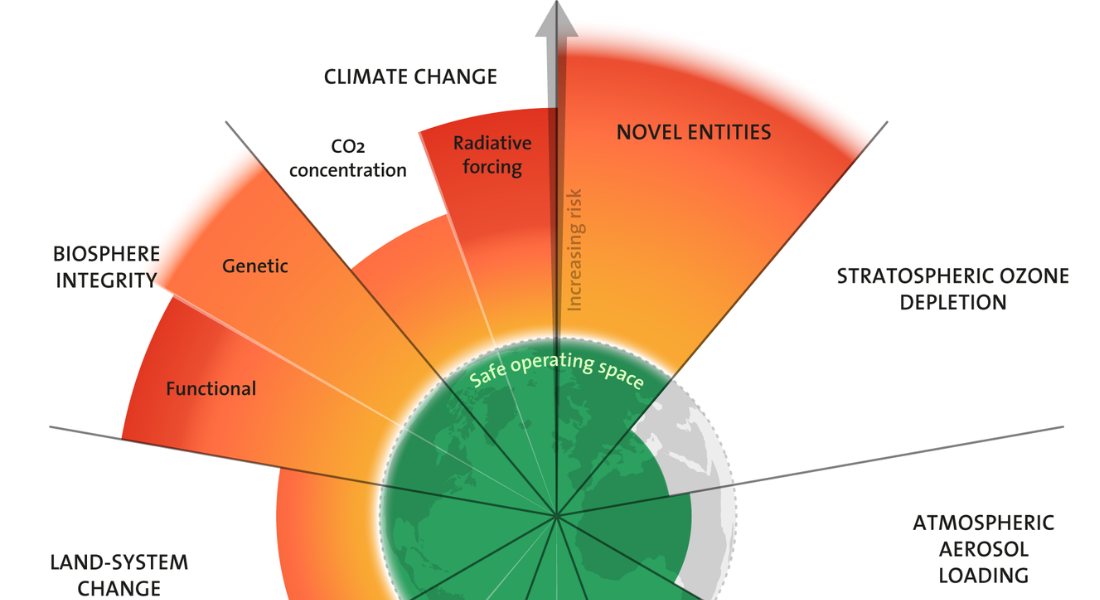
Planetary boundaries diagram showing breached limits
Planetary boundaries framework (updated 2025) – Credit: Stockholm Resilience Centre
Updated planetary boundaries showing seven breached
2025 update: Seven of nine planetary boundaries breached – Credit: Stockholm Resilience Centre

Scientific Research and Analysis: The Interconnected Threats

2025 assessments underscore deep linkages among environmental crises. Climate change amplifies others as a "threat multiplier."

Climate Change: Accelerating Risks

UNEP's Emissions Gap Report 2025 warns of likely temporary overshoot beyond 1.5°C, with severe consequences. GEO-7 projects catastrophic outcomes under current pathways, including intensified extremes causing trillions in losses.

Former IPCC chair Sir Robert Watson notes warming faster than models predicted, urging unprecedented action.

Biodiversity Loss: Undermining Ecosystem Resilience

Over one million species risk extinction. IPBES's 2025 Transformative Change Assessment highlights unsustainable consumption as a key driver, with unaccounted costs of $10-25 trillion yearly.

Global maps reveal hotspots under severe threat from habitat loss and climate shifts.
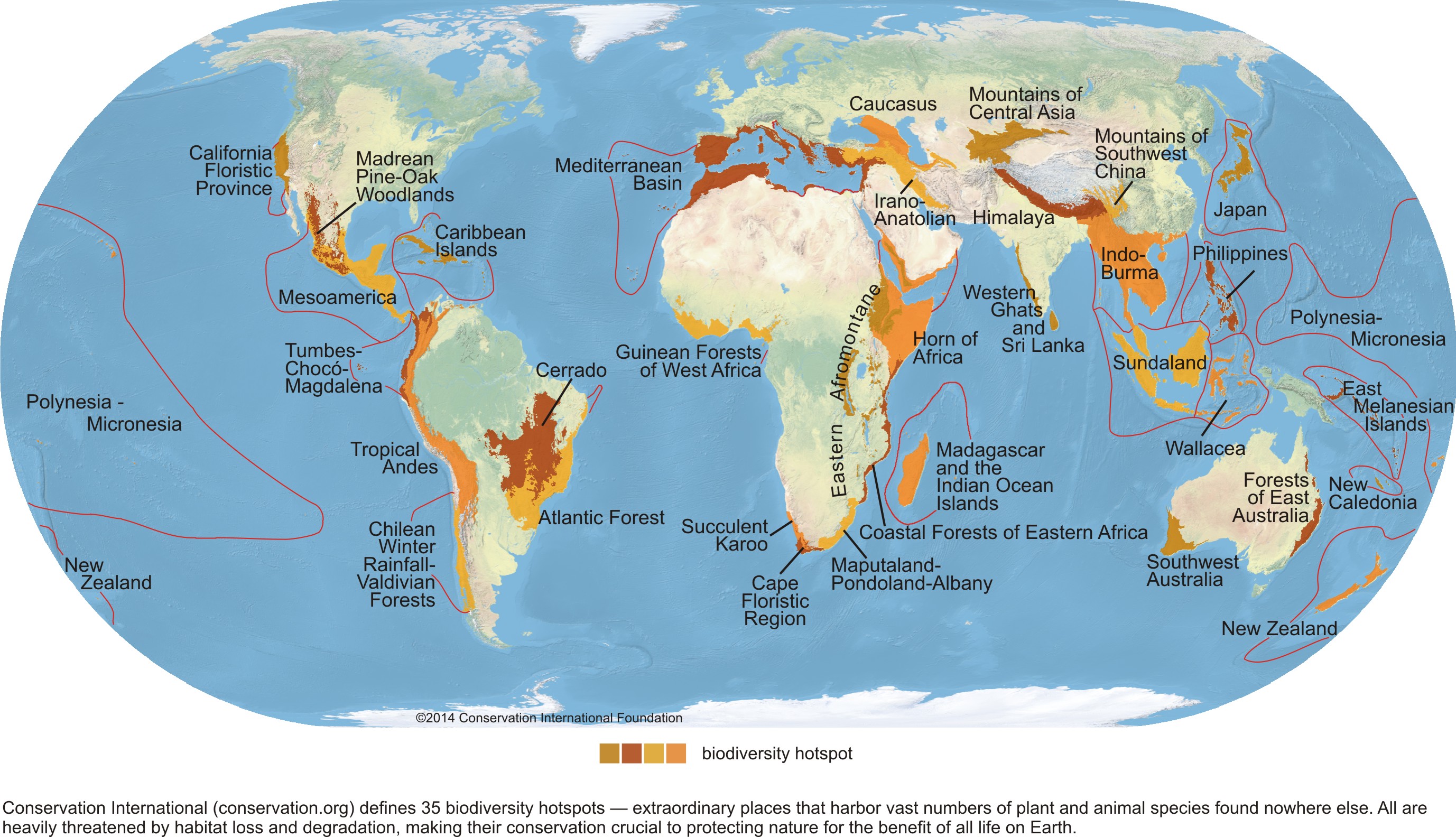
Global biodiversity hotspots map
Biodiversity hotspots facing major threats – Credit: Penn State
Map of biodiversity hotspots and threats
Key biodiversity hotspots under pressure – Credit: Tropical Conservation Fund

Pollution and Land Degradation

Pollution causes 9 million premature deaths annually; 40% of land is degraded. GEO-7 links these to economic undermining and health crises.

Planetary Boundaries Framework

The Stockholm Resilience Centre's 2025 Planetary Health Check reports seven of nine boundaries breached, including the new addition of ocean acidification. This signals entry into "uncharted territory," risking irreversible shifts.

Scientists collaborating on climate research
Scientists addressing global environmental challenges – Credit: Science & Diplomacy
International scientists discussing research
Global scientific collaboration on pressing issues – Credit: The New York Times

Expert Opinions: Voices from the Scientific Community

Leading scientists emphasise urgency and interconnections.

  • Sir Robert Watson (former IPCC/IPBES chair): "You can’t think of climate change without thinking of biodiversity, land degradation or pollution. They’re all undermining our economy."
  • Katharine Hayhoe (climate scientist): "Climate change is a threat multiplier... If we don’t fix climate change, we’re not going to be able to fix these other issues too."
  • Johan Rockström (Potsdam Institute): Warns of breached boundaries leading to irreversible harm, calling for transformative shifts.
  • Inger Andersen (UNEP Executive Director): "This is no choice at all" between devastation and a healthy future.

These views align with IPCC findings that unchecked warming poses existential risks, though extinction is unlikely—severe societal disruptions are probable.
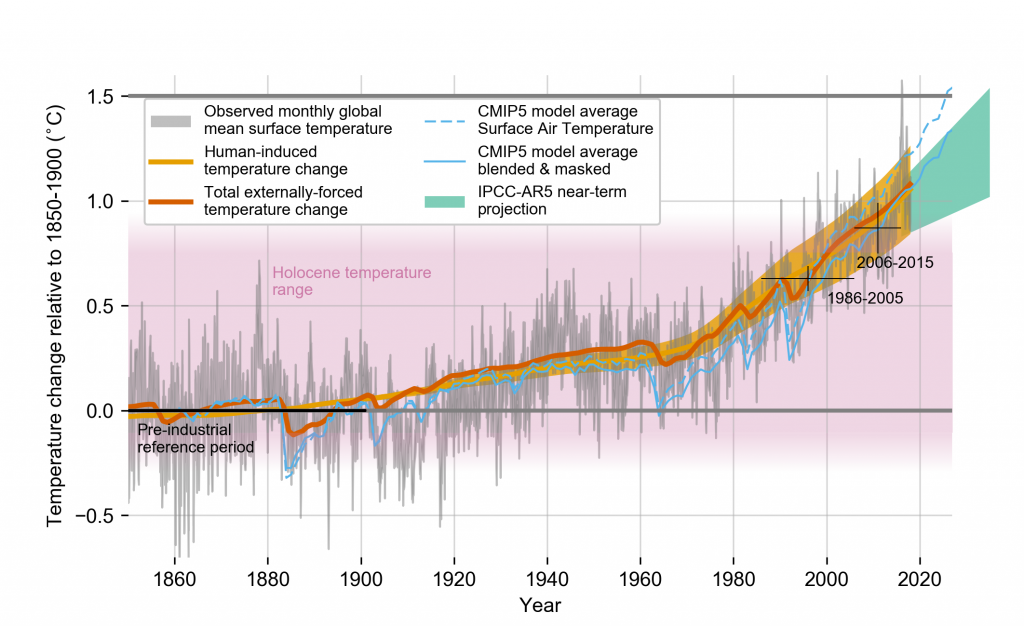
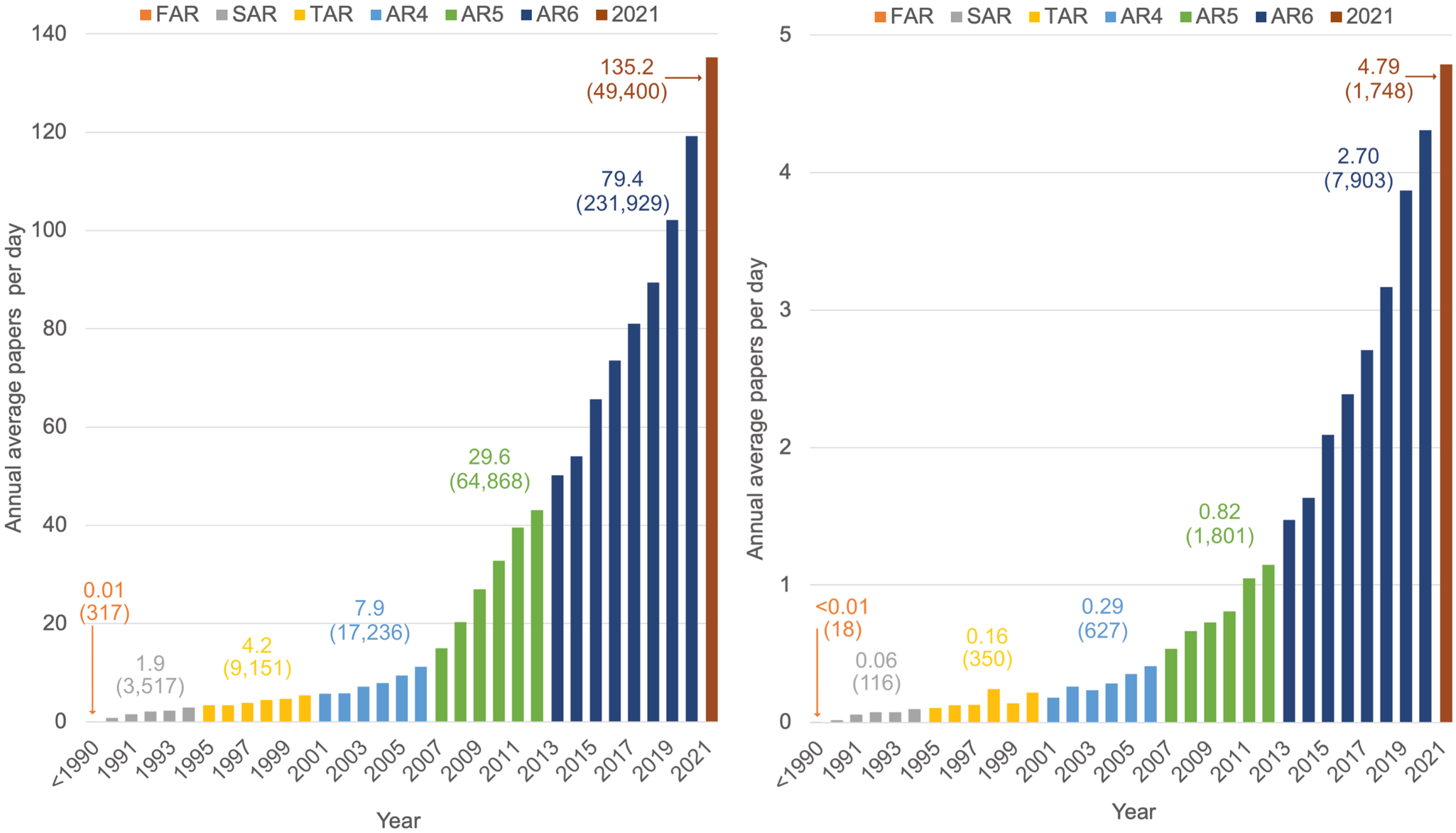
IPCC climate data presentation
Key findings from IPCC reports – Credit: IPCC
Scientists analysing climate impacts
Scientific engagement in IPCC assessments – Credit: Nature

Threats to Human Civilisation

Degradation drives migration, resource conflicts, food insecurity, and health crises. GEO-7 warns of potential societal collapse if boundaries are overshot. Biodiversity loss erodes services vital for agriculture and medicine; climate change may render regions uninhabitable. Investments now could yield trillions in benefits by mid-century, avoiding millions of deaths and lifting billions from poverty.

Pathways to Protection: Integrated Solutions

GEO-7 stresses $8 trillion annual investment until 2050 for net-zero and biodiversity restoration, yielding massive returns.

Policy and Global Actions

  • Phase out fossil fuels and scale renewables.
  • Restore habitats via reforestation and protected areas.
  • Reform subsidies harming environment.
  • Enhance adaptation finance for vulnerable nations.

Nature-Based Solutions

Protecting and restoring ecosystems provides co-benefits for climate mitigation, biodiversity, and pollution reduction.

Individual and Community Contributions

  • Adopt sustainable diets and reduce waste.
  • Support green policies and local conservation.
  • Minimise personal carbon footprint.

Transformative change requires shifting values, governance, and practices toward sustainability.

Frequently Asked Questions (FAQ)

1. How are climate change and biodiversity loss connected?

Climate change alters habitats and exacerbates extinction risks; biodiversity loss reduces ecosystem resilience to warming.

2. What are planetary boundaries?

Nine processes defining Earth's safe operating space; seven breached in 2025, signalling high risk.

3. Can we still limit warming to 1.5°C?

Challenging but possible with immediate deep cuts; overshoot likely otherwise.

4. What are nature-based solutions?

Protecting/restoring ecosystems to address climate and biodiversity simultaneously.

5. Why address pollution with climate and biodiversity?

Interlinked: e.g., fossil fuels cause warming and air pollution; integrated policies yield co-benefits.

6. Is human extinction likely from climate change?

No, but severe civilisation disruptions are probable without action.

7. What can individuals do?

Reduce consumption, support policies, engage in local efforts—collective actions drive systemic change.

Conclusion: A Call to Transformative Action

2025's scientific consensus is clear: interconnected crises threaten civilisation, but integrated investments and transformative changes offer a resilient path. Governments, businesses, and individuals must act boldly. The future remains ours to choose.

Word count: Approximately 3,000

References: UNEP GEO-7 (2025), Emissions Gap Report 2025, Planetary Health Check 2025 (Stockholm Resilience Centre), IPBES Transformative Change Assessment (2025), IPCC reports, and expert statements.

© 2025 Eco Urbanite. All rights reserved.

Wednesday, December 10, 2025

50 Eco-friendly Living Tips

50 Eco-friendly Living Tips — Eco Urbanite

50 Eco-friendly Living Tips

By Eco Urbanite • Published 10 December 2025 • Practical, actionable advice for sustainable living

Introduction

Sustainable living is a practical, long-term approach rather than a series of dramatic, one-off choices. The following 50 tips are grouped for convenience and crafted to be immediately actionable — whether you live in a flat, a suburban house or a rural property. They focus on reducing waste, conserving energy and water, making thoughtful purchases, and supporting wider community action.

50 Practical Eco-friendly Tips

Below the tips are grouped by theme to help you prioritise changes that suit your household and lifestyle.

1. Reduce, Reuse, Recycle
Ask before you buy: can you reuse an item instead?
2. Reusable Water Bottle
Carry a stainless-steel or BPA-free bottle.
3. LED Lighting
Switch to LED bulbs to save energy and replacement cost.
4. Reusable Shopping Bags
Keep jute or cloth bags handy to avoid single-use plastic.
5. Public Transport & Carpool
Share journeys and reduce emissions.
6. Walk or Cycle for Short Trips
Health benefits and zero emissions.
7. Low-flow Showerheads
Reduce water usage without losing pressure.
8. Fix Leaks Promptly
A dripping tap wastes litres every day.
9. Shorter Showers
Aim for five minutes where possible.
10. Turn Off at the Plug
Eliminate standby power drain from appliances.
11. Energy-efficient Appliances
Check energy ratings before purchase.
12. Air-dry Laundry
Avoid the tumble dryer when possible.
13. Buy Local Produce
Support farmers and cut transport emissions.
14. Eat More Plant-based Meals
Reduce the environmental impact of your diet.
15. Plan Meals to Avoid Waste
Smarter shopping reduces food thrown away.
16. Compost Organic Waste
Create nutrient-rich soil for your garden.
17. Grow Herbs or Veg
Even window-sill herbs reduce packaging and transport.
18. Buy Seasonal Produce
Seasonal foods use fewer resources.
19. Eco-friendly Cleaners
Choose biodegradable, low-toxicity products.
20. Make DIY Cleaners
Vinegar, bicarbonate of soda and lemon are versatile.
21. Avoid Excess Packaging
Choose brands with minimal or recyclable packaging.
22. Buy Second-hand
Charity shops and marketplaces extend product life.
23. Upcycle Creatively
Turn old items into something useful.
24. Repair, Don’t Replace
Extend the life of appliances, furniture and clothing.
25. Eco-friendly Toiletries
Bamboo brushes and refillable soaps cut plastic.
26. Refillable Beauty Products
Choose brands offering refills.
27. Ditch Single-use Cutlery
Carry a compact reusable set.
28. Cold Wash Laundry
Most detergents work well at lower temperatures.
29. Choose Natural Fibres
Prefer cotton, linen, hemp or bamboo to synthetics.
30. Donate Unwanted Items
Extend lifetime through donation.
31. Reduce Paper Use
Go digital for bills and receipts.
32. Print Double-sided
When printing is necessary, save paper.
33. Recycled Paper Products
Choose recycled toilet rolls and stationery.
34. Install Solar Panels
Consider rooftop solar for long-term savings.
35. Maximise Natural Light
Reduce daytime lighting needs.
36. Improve Home Insulation
A well-insulated home saves energy year-round.
37. Smart Power Strips
Reduce phantom loads automatically.
38. Support Sustainable Brands
Vote with your wallet for better business practices.
39. Avoid Fast Fashion
Buy fewer, better-quality clothes.
40. Embrace Minimalism
Place value on need rather than novelty.
41. Learn & Share
Sustainability multiplies through community knowledge.
42. Join Local Clean-ups
Community action has direct impact.
43. Reuse Glass Jars
Perfect for storage and craft projects.
44. Reduce Air-conditioning Use
Adopt shading, ventilation and fans.
45. Switch Off Lights
Make it a habit when exiting rooms.
46. Motion-sensor Lighting
Useful for corridors and outdoor areas.
47. Energy-conscious Tech
Select products built to last with low consumption.
48. Consolidate Online Orders
Reduce delivery emissions and packaging waste.
49. Support Environmental Groups
Donate or volunteer for bigger change.
50. Make Sustainability a Habit
Small daily choices compound over time.

Summary Table — Quick Reference

Use this table to quickly locate the tips most relevant to your household or lifestyle.

Category Top actions Why it matters
Home & Energy LED lighting, insulation, solar panels, smart strips Biggest impact on household carbon and bills
Water & Waste Low-flow showers, fix leaks, compost, reduce packaging Conserves freshwater and reduces landfill use
Food & Garden Grow herbs, buy seasonal, compost, eat plant-based Lower food miles and waste; healthier diets
Transport Walk/cycle, public transport, carpool Reduces transport emissions and saves money
Shopping & Clothing Buy second-hand, avoid fast fashion, choose natural fibres Extends product life and reduces resource demand
Community & Mindset Share knowledge, join clean-ups, support green brands Collective action multiplies individual efforts

Frequently Asked Questions

Do small changes really make a difference?
Yes. Small, consistent actions—like reducing waste and switching to efficient lighting—compound across households and communities to create substantial reductions in energy use and emissions.
How can I reduce food waste practically?
Plan meals, freeze leftovers, label store-cupboard items, and compost scraps. Buy only what you need and favour loose produce to avoid unnecessary packaging.
Is solar power worth the investment?
For many households, rooftop solar is cost-effective over time, especially when combined with battery storage or feed-in tariffs. Local incentives and the scale of your electricity use will influence payback.
How do I choose truly sustainable brands?
Look for transparency (supply chain information, certifications), durable design, refill options and credible third-party audits. Avoid greenwashing by checking independent reviews.
What is the easiest place to start?
Start with habits that save money and effort—switch to LED bulbs, carry a reusable bottle, and reduce food waste. These changes are low-cost and quickly become routine.
How can I influence others to live more sustainably?
Lead by example, share helpful resources, invite friends to community events and discuss practical benefits (cost-savings, health and convenience) rather than moralising.

Final Thoughts

Transitioning to a greener lifestyle is an incremental, positive journey. Use the 50 tips above as a practical checklist — choose the actions that suit your circumstances and build habits gradually. Over time, informed household choices influence markets, policy and culture. Your small steps matter.

Explore more at Eco Urbanite

About Eco Urbanite — Practical guides and thoughtful commentary to help urban dwellers live more sustainably. Published on 10 December 2025.

Author: Eco Urbanite • Blog: eco-urbanite24.blogspot.com

Copyright © 2025 Eco Urbanite. All rights reserved.

This article is for general information only. For tailored advice about home energy improvements, local regulations and financial incentives, consult a qualified professional.

Editor Posts

What Will the World Be Like 75 Years from Now?