


Save the Planet, Protect the Civilisation
By Devanand Sah | December 15, 2025
In an era of accelerating environmental crises, the interconnected threats of climate change, biodiversity loss, pollution, and land degradation endanger not just ecosystems but the very foundations of human civilisation. Drawing on the latest 2025 scientific assessments, this comprehensive article examines these challenges, expert analyses, and pathways to transformative action.

Introduction: A Planet in Peril
Earth, humanity's sole habitat, faces unprecedented pressures from human activities. The United Nations Environment Programme's (UNEP) Global Environment Outlook-7 (GEO-7), released in December 2025 and authored by 287 scientists from 82 countries, describes these as a "triple planetary crisis" of climate change, biodiversity loss, and pollution, compounded by land degradation. These issues cost trillions annually, exacerbate poverty, threaten food and water security, and risk irreversible damage to societal structures.
Protecting the planet equates to safeguarding civilisation. Extreme weather displaces millions, ecosystem collapse undermines economies, and unchecked degradation could mirror historical societal collapses—albeit on a global scale. Yet, hope persists through integrated solutions and collective will.

Scientific Research and Analysis: The Interconnected Threats
2025 assessments underscore deep linkages among environmental crises. Climate change amplifies others as a "threat multiplier."
Climate Change: Accelerating Risks
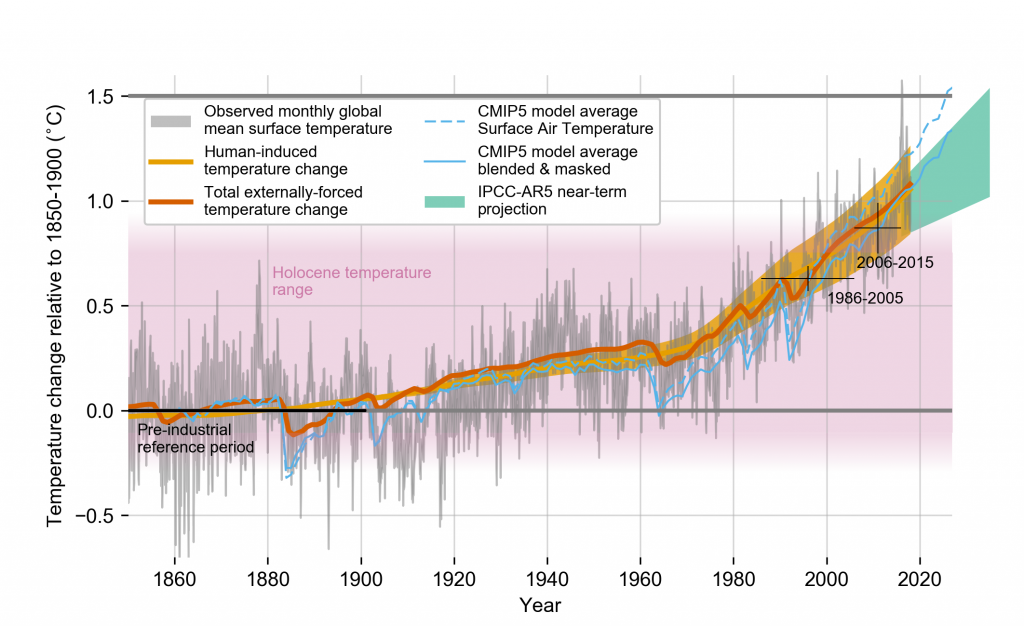
UNEP's Emissions Gap Report 2025 warns of likely temporary overshoot beyond 1.5°C, with severe consequences. GEO-7 projects catastrophic outcomes under current pathways, including intensified extremes causing trillions in losses.
Former IPCC chair Sir Robert Watson notes warming faster than models predicted, urging unprecedented action.
Biodiversity Loss: Undermining Ecosystem Resilience
Over one million species risk extinction. IPBES's 2025 Transformative Change Assessment highlights unsustainable consumption as a key driver, with unaccounted costs of $10-25 trillion yearly.
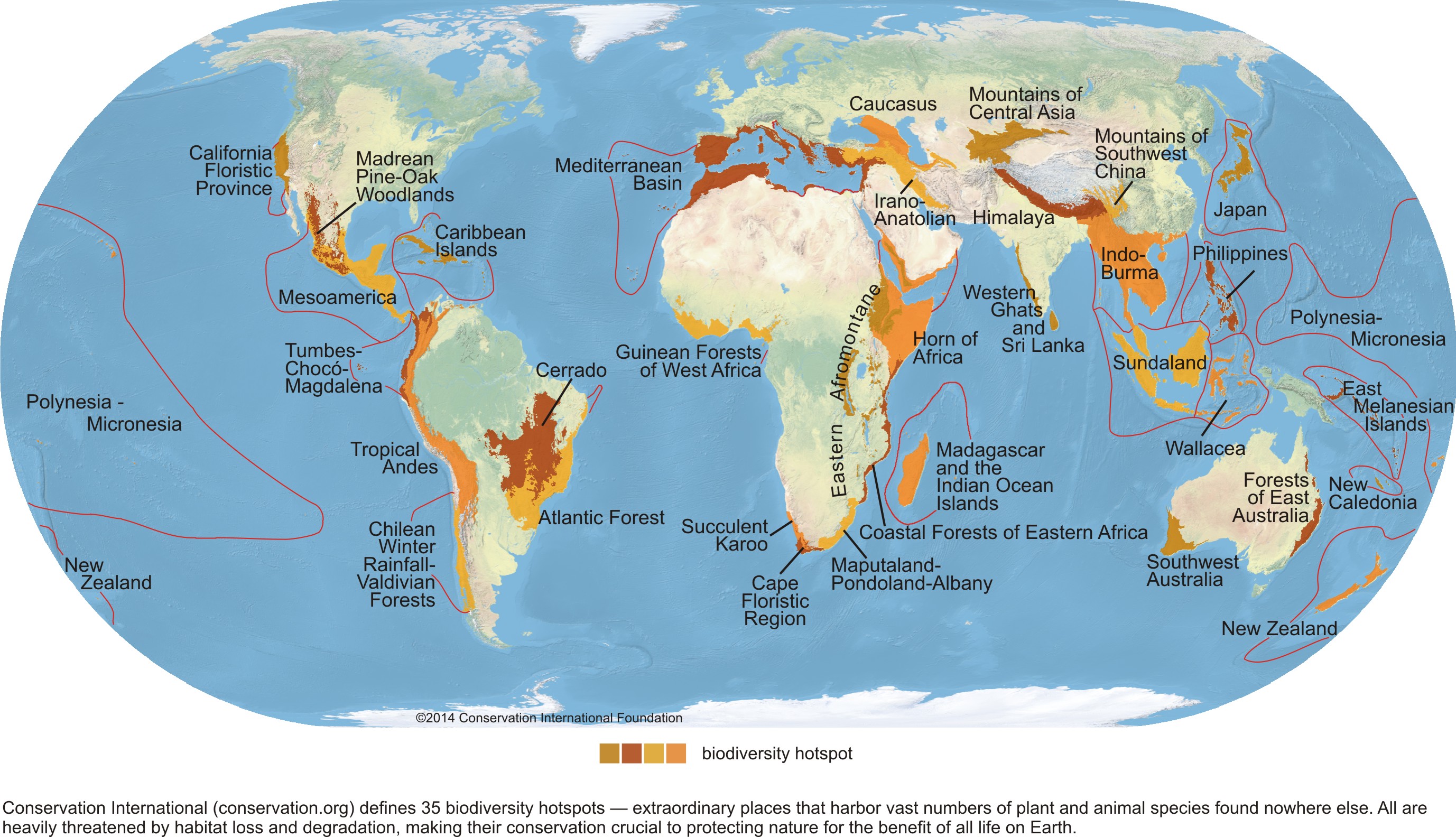
Global maps reveal hotspots under severe threat from habitat loss and climate shifts.

Pollution and Land Degradation
Pollution causes 9 million premature deaths annually; 40% of land is degraded. GEO-7 links these to economic undermining and health crises.
Planetary Boundaries Framework
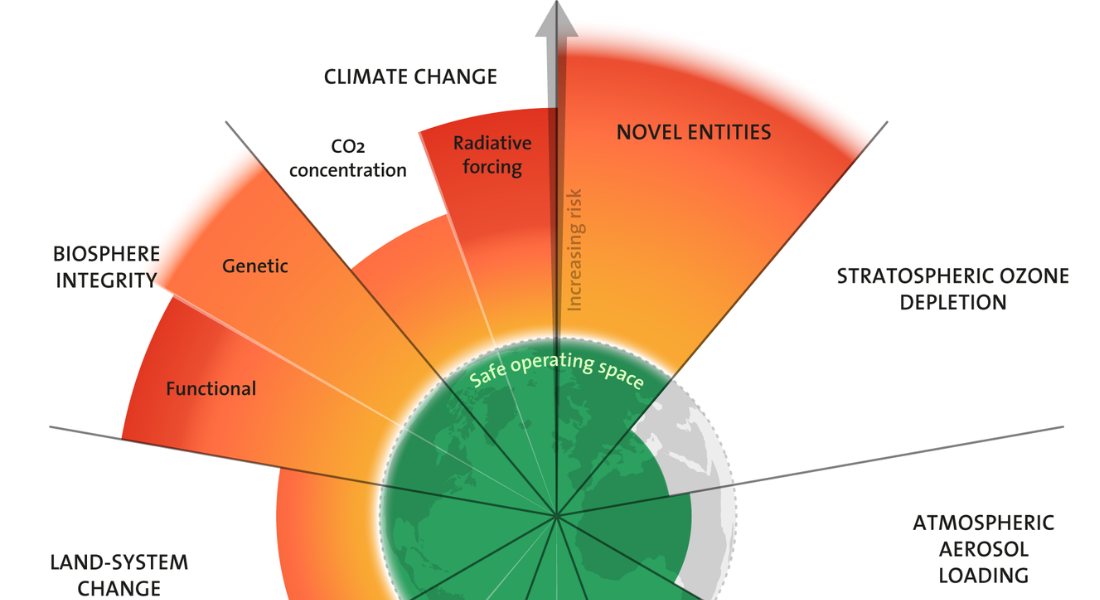
The Stockholm Resilience Centre's 2025 Planetary Health Check reports seven of nine boundaries breached, including the new addition of ocean acidification. This signals entry into "uncharted territory," risking irreversible shifts.


Expert Opinions: Voices from the Scientific Community
Leading scientists emphasise urgency and interconnections.
- Sir Robert Watson (former IPCC/IPBES chair): "You can’t think of climate change without thinking of biodiversity, land degradation or pollution. They’re all undermining our economy."
- Katharine Hayhoe (climate scientist): "Climate change is a threat multiplier... If we don’t fix climate change, we’re not going to be able to fix these other issues too."
- Johan Rockström (Potsdam Institute): Warns of breached boundaries leading to irreversible harm, calling for transformative shifts.
- Inger Andersen (UNEP Executive Director): "This is no choice at all" between devastation and a healthy future.
These views align with IPCC findings that unchecked warming poses existential risks, though extinction is unlikely—severe societal disruptions are probable.
Threats to Human Civilisation
Degradation drives migration, resource conflicts, food insecurity, and health crises. GEO-7 warns of potential societal collapse if boundaries are overshot. Biodiversity loss erodes services vital for agriculture and medicine; climate change may render regions uninhabitable. Investments now could yield trillions in benefits by mid-century, avoiding millions of deaths and lifting billions from poverty.
Pathways to Protection: Integrated Solutions
GEO-7 stresses $8 trillion annual investment until 2050 for net-zero and biodiversity restoration, yielding massive returns.
Policy and Global Actions
- Phase out fossil fuels and scale renewables.
- Restore habitats via reforestation and protected areas.
- Reform subsidies harming environment.
- Enhance adaptation finance for vulnerable nations.
Nature-Based Solutions
Protecting and restoring ecosystems provides co-benefits for climate mitigation, biodiversity, and pollution reduction.
Individual and Community Contributions
- Adopt sustainable diets and reduce waste.
- Support green policies and local conservation.
- Minimise personal carbon footprint.
Transformative change requires shifting values, governance, and practices toward sustainability.
Frequently Asked Questions (FAQ)
1. How are climate change and biodiversity loss connected?
Climate change alters habitats and exacerbates extinction risks; biodiversity loss reduces ecosystem resilience to warming.
2. What are planetary boundaries?
Nine processes defining Earth's safe operating space; seven breached in 2025, signalling high risk.
3. Can we still limit warming to 1.5°C?
Challenging but possible with immediate deep cuts; overshoot likely otherwise.
4. What are nature-based solutions?
Protecting/restoring ecosystems to address climate and biodiversity simultaneously.
5. Why address pollution with climate and biodiversity?
Interlinked: e.g., fossil fuels cause warming and air pollution; integrated policies yield co-benefits.
6. Is human extinction likely from climate change?
No, but severe civilisation disruptions are probable without action.
7. What can individuals do?
Reduce consumption, support policies, engage in local efforts—collective actions drive systemic change.
Conclusion: A Call to Transformative Action
2025's scientific consensus is clear: interconnected crises threaten civilisation, but integrated investments and transformative changes offer a resilient path. Governments, businesses, and individuals must act boldly. The future remains ours to choose.


0 Comments:
Post a Comment