

What Will the World Be Like 75 Years from Now?

Updated with long-term future insights and evidence-based projections.
The pace of human progress has never been faster. In just the last century, humanity has transformed how it lives, communicates, works, and governs itself. If this momentum continues, the world 75 years from now—around the year 2100—will be profoundly different from the one we know today.
From artificial intelligence and climate adaptation to space settlement and changing human identity, this article presents a realistic, well-reasoned, and forward-looking vision of the future. Rather than science fiction, it is grounded in current trends, scientific research, and technological trajectories.
Table of Contents
- The Planet and the Environment
- Energy and Natural Resources
- Technology and Artificial Intelligence
- Health, Medicine, and Longevity
- Cities and Living Spaces
- Work, Economy, and Education
- Governance and Global Society
- Warfare and Global Security
- Space and Life Beyond Earth
- Culture, Identity, and Humanity
- Frequently Asked Questions
1. The Planet and the Environment: Life on a Managed Earth

By the year 2100, climate change will no longer be perceived as a distant threat—it will be a permanent condition that humanity actively manages. Scientific projections suggest global average temperatures may rise between 1.8°C and 2.5°C, while sea levels could increase by up to one metre, fundamentally altering coastlines, ecosystems, and patterns of human settlement.
Rather than pursuing complete climate reversal—an increasingly unrealistic goal—nations will prioritise a balanced strategy of adaptation, mitigation, and ecological restoration. Environmental management will become data-driven, predictive, and globally coordinated.
- AI-powered climate modelling systems will predict extreme weather events months in advance, enabling early evacuation and disaster preparedness
- Climate-resilient cities will feature smart flood barriers, floating infrastructure, heat-resistant materials, and advanced water management systems
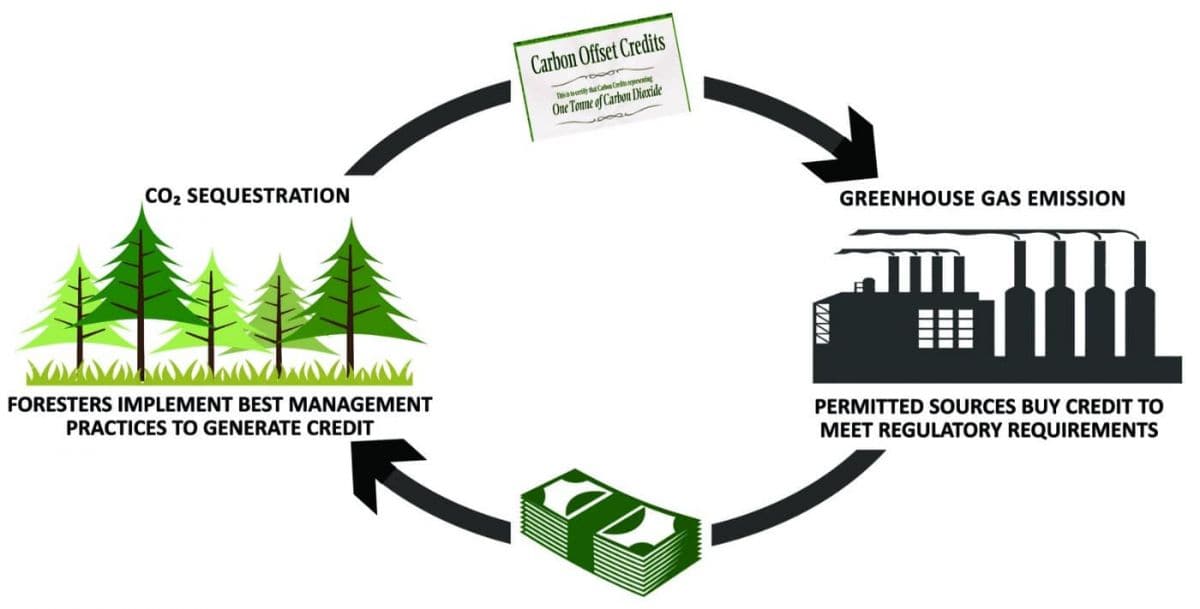
- Massive reforestation, carbon capture, and ocean regeneration programmes will be scaled globally to stabilise ecosystems
- Real-time digital monitoring of wildlife and natural resources will help prevent biodiversity loss and environmental collapse
The Earth will function as a continuously monitored, intelligently managed planetary system, where technology and policy work together to preserve habitability for future generations.

2. Energy and Resources: A Post-Fossil Fuel World
By 2100, fossil fuels will be largely eliminated from everyday use, replaced by a diversified portfolio of renewable, low-carbon, and advanced clean energy systems. Energy production will become decentralised, resilient, and digitally optimised, ensuring reliable access while dramatically reducing environmental impact.
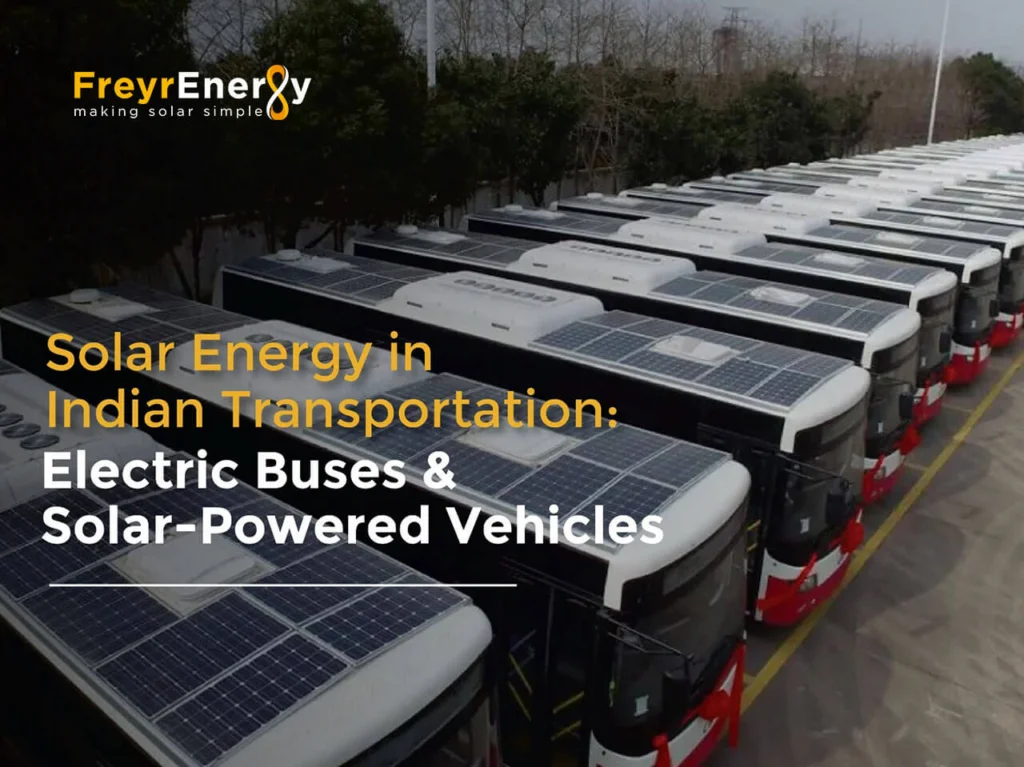
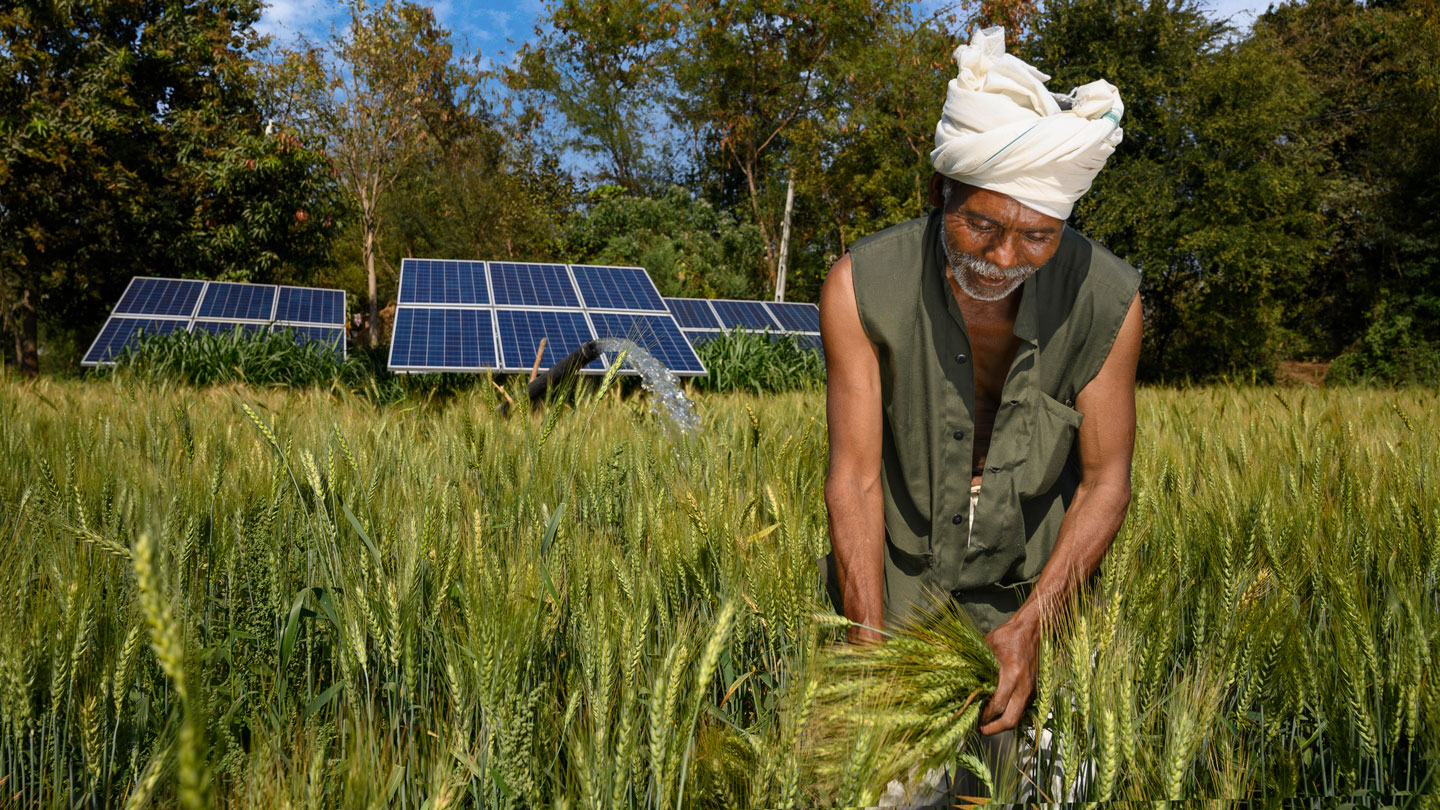
- Ultra-efficient solar, wind, and geothermal technologies capable of meeting most residential and commercial energy demands
- Green hydrogen powering heavy industry, long-distance transport, shipping, and aviation where electrification is impractical
- Nuclear fusion and next-generation fission reactors providing stable, low-carbon baseload energy for growing urban populations
- Space-based solar power systems transmitting clean energy to Earth, reducing land-use pressure and weather dependency
In parallel, global economies will transition to a fully circular resource model. Products will be designed for durability, modular repair, and complete recyclability. Materials will remain in continuous use, making the concept of waste both economically inefficient and socially unacceptable.
Energy abundance combined with responsible resource management will underpin sustainable growth, geopolitical stability, and improved quality of life worldwide.

3. Technology and Artificial Intelligence: The Age of Co-Intelligence
By 2100, artificial intelligence will no longer be perceived merely as a digital tool—it will function as a cognitive partner. Humans and intelligent systems will work in close collaboration, combining human judgement, creativity, and ethics with machine precision, speed, and scale across almost every sector.
- Personal AI companions supporting work, lifelong learning, healthcare decisions, and daily planning
- Real-time universal language translation effectively removing linguistic and cultural communication barriers
- AI-driven scientific discovery accelerating breakthroughs in medicine, climate science, materials, and energy storage
- Data-informed governance and policy modelling enabling evidence-based decision-making and long-term planning
Brain–Computer Interfaces and Human Augmentation
Advances in brain–computer interfaces (BCIs) may allow direct communication between the human brain and digital systems. These technologies could enable thought-based interaction, accelerated learning, and effective treatment of neurological conditions, while redefining traditional boundaries of ability, productivity, and intelligence.
As co-intelligence becomes embedded in society, ethical frameworks, transparency, and human oversight will be essential to ensure technology remains aligned with human values.

4. Health, Medicine, and Longevity
By 2100, healthcare systems will shift decisively from reactive treatment to predictive, preventive, and personalised care. Continuous health monitoring, powered by wearable and implantable sensors, combined with AI-driven diagnostics, will identify disease risks years—sometimes decades—before symptoms emerge.
- Average life expectancy may extend to 100–120 years, supported by advances in nutrition, genomics, and regenerative medicine
- Many inherited and genetic disorders will be prevented or corrected through early screening and targeted gene therapies
- Cancer will increasingly be detected early and managed as a long-term, controllable condition rather than an immediate fatal illness
- Highly personalised treatments will be designed using individual DNA profiles, microbiomes, lifestyle data, and environmental factors
Traditional hospitals will continue to play a vital role for acute and complex care, but the majority of healthcare delivery will move into homes and communities through digital platforms, remote monitoring, and AI-assisted medical support.
Longevity will not merely mean living longer—it will focus on extending healthy, productive, and independent years of life.

5. Cities and Living Spaces: Intelligent Habitats
By 2100, cities will be designed around human wellbeing rather than vehicle movement. Urban environments will be cleaner, quieter, and more resource-efficient, integrating digital intelligence with nature to create resilient and liveable habitats.
- Autonomous, shared public transport systems reducing congestion, emissions, and the need for private vehicle ownership
- Green skyscrapers, vertical forests, and rooftop agriculture improving air quality, urban biodiversity, and local food production
- Drone-enabled logistics networks handling deliveries, emergency supplies, and infrastructure inspection with minimal disruption
- Multi-layered underground infrastructure housing transport corridors, utilities, waste management, and data systems
Residential spaces will evolve into smart, adaptive homes capable of generating their own renewable energy, automatically regulating temperature and air quality, and integrating seamlessly with digital health, work, and mobility services.
These intelligent habitats will blur the line between built and natural environments, redefining urban life as both sustainable and human-centred.

6. Work, Economy, and Education
By 2100, automation and artificial intelligence will have transformed the global economy, replacing many routine and repetitive jobs while simultaneously redefining the very meaning of work. Economic value will shift away from sheer productivity towards creativity, problem-solving, and human judgement.
The Future of Work
- Creativity, strategic thinking, and emotional intelligence will become core professional skills that machines cannot easily replicate
- Human-centred roles in healthcare, education, design, leadership, ethics, and social services will grow in importance
- Lifelong learning and frequent reskilling will be essential as career paths become more fluid and non-linear
Economic Models and Universal Basic Income
To maintain social cohesion in an automated economy, many countries may adopt Universal Basic Income (UBI) or similar social safety mechanisms. These systems would provide a guaranteed financial foundation, enabling individuals to pursue meaningful work, entrepreneurship, caregiving, or creative endeavours without constant economic insecurity.
Education Reinvented for a Rapidly Changing World
Education systems will undergo a fundamental redesign, moving away from rote memorisation towards the development of critical thinking, adaptability, collaboration, and creativity. Learning will be personalised, technology-enabled, and continuous throughout life, preparing individuals not just for jobs, but for constant change.
In this future, work will be defined less by survival and more by purpose, contribution, and lifelong growth.

7. Governance and Global Society
By 2100, governance systems will be increasingly supported by artificial intelligence and advanced data analytics. Governments will use AI to simulate policy outcomes, optimise public services, detect systemic risks, and improve transparency—while retaining human oversight for ethical judgement and accountability.
Decision-making will become more evidence-based and participatory, supported by real-time data and digital civic platforms that allow citizens to engage more directly with public policy and governance processes.
At the global level, cooperation among nations will intensify in response to shared challenges. Coordinated frameworks will emerge for climate action, AI regulation, cyber security, public health, and space governance, recognising that many risks and opportunities transcend national borders.
The concept of global citizenship will gain greater relevance, complementing national identities with a shared sense of responsibility for planetary stability, technological ethics, and the long-term future of humanity.

8. Warfare and Global Security
By 2100, global security dynamics will be shaped less by traditional battlefield confrontations and more by technological, digital, and economic instruments of power. The nature of warfare will evolve towards precision, deterrence, and influence rather than mass mobilisation.
- Cyber warfare and information operations, including attacks on critical infrastructure, data systems, and public trust
- Autonomous drones, robotics, and AI-enabled defence systems capable of rapid response, surveillance, and targeted engagement
- Economic, technological, and supply-chain pressure used as strategic tools to influence state behaviour without open conflict
Recognising the risks of rapid escalation and loss of human control, the international community is likely to pursue treaties and regulatory frameworks to limit or strictly govern fully autonomous weapons systems.
Long-term global security will depend not only on military strength, but on cyber resilience, ethical technology governance, and sustained international cooperation.

9. Space and Life Beyond Earth
By 2100, humanity may take its first sustained steps towards becoming a multi-planetary civilisation. Advances in propulsion, robotics, life-support systems, and space economics will extend human presence beyond Earth, not as an escape, but as a long-term expansion of capability and resilience.
- Permanent or semi-permanent settlements on the Moon and Mars, serving as research hubs, industrial outposts, and testing grounds for deep-space living
- Asteroid mining to access rare metals and resources, reducing pressure on Earth’s ecosystems
- Space-based manufacturing, leveraging microgravity to produce advanced materials, pharmaceuticals, and components unattainable on Earth
- Commercial and orbital space travel becoming more accessible for research, industry, and limited civilian use
Earth will remain humanity’s primary and most precious home, but a growing off-world presence will provide strategic, scientific, and economic benefits—marking the beginning of a broader human footprint in the solar system.

10. Culture, Identity, and the Meaning of Being Human
As machines grow increasingly intelligent and capable, humanity will be compelled to redefine its sense of identity and purpose. The question of what it means to be human will move beyond productivity or intelligence and focus more deeply on values, relationships, and consciousness.
In a world where intelligence is shared with machines, empathy, moral responsibility, creativity, and self-awareness may become humanity’s most defining qualities.
Culture will evolve through the blending of physical and digital realities. Digital identities, immersive virtual environments, and human–AI collaboration will influence art, storytelling, social interaction, and personal expression, expanding the boundaries of creativity and community.
At the same time, preserving authenticity, meaning, and human connection will become a central cultural challenge—ensuring that technological progress enhances rather than diminishes the human experience.

Frequently Asked Questions (FAQs)
Will humans live longer in the future?
Yes. Advances in medicine and preventive healthcare could extend average life expectancy to over 100 years.
Will artificial intelligence replace humans?
AI is more likely to augment human abilities rather than replace humanity entirely, creating new forms of collaboration.
Will climate change make Earth uninhabitable?
While climate change will reshape parts of the planet, technological adaptation and mitigation are expected to prevent total uninhabitability.
Will humans live on other planets?
Permanent settlements on the Moon and Mars are highly plausible by 2100, though Earth will remain central to human civilisation.
Conclusion: The Future Is a Choice
The world 75 years from now will not be shaped by technology alone, but by human values, decisions, and responsibility.
It could be more equal—or more divided. More sustainable—or more fragile. The tools will be powerful, but the outcomes will depend on how wisely they are used.
The future is not something that happens to us. It is something we are building—right now.