


Delhi Government’s New Green Initiative: Boosting Environmental Protection and Sustainable Income
In the face of escalating climate challenges, urban centres like Delhi are pioneering innovative solutions to combat pollution while fostering economic growth. The Delhi Government’s approval of the Carbon Credit Monetisation Framework on 13 January 2026 represents a landmark policy that converts emission reductions from green projects into tradable assets, generating revenue without additional taxpayer burden. This initiative, spearheaded by Chief Minister Rekha Gupta and Environment Minister Manjinder Singh Sirsa, aligns environmental protection with sustainable income, offering a model for other Indian states.
For environmentally conscious readers, this framework not only addresses Delhi’s chronic air quality issues but also highlights how carbon credit trading can empower communities and economies.
As India advances towards its net-zero goal by 2070, understanding carbon credits becomes essential. This in-depth article explores the Delhi initiative in detail, covering carbon credit trading in India, calculation methods with examples, market values, key players, earning potentials with case studies, and farm registration processes. We’ll also delve into practical implications, challenges, and future outlook to provide a comprehensive, engaging guide for eco-enthusiasts, farmers, and policymakers.

The Evolution of Carbon Markets in India: A Brief History
Carbon markets in India have evolved from voluntary mechanisms to structured compliance systems. The journey began with the Clean Development Mechanism (CDM) under the Kyoto Protocol, where India hosted over 1,600 projects, generating millions of Certified Emission Reductions (CERs). This transitioned into the Perform, Achieve, and Trade (PAT) scheme in 2012, focusing on energy efficiency. The pivotal shift came with the Energy Conservation (Amendment) Act, 2022, establishing the Carbon Credit Trading Scheme (CCTS) in July 2024.
CCTS introduces an intensity-based system, covering nine sectors initially, with compliance starting in FY 2026. It complements voluntary markets, where non-obligated entities like farms can generate credits. India’s market is poised to become the world’s largest by 2030, potentially valued at USD 10-40 billion, driven by global demand for high-integrity credits. This historical context underscores Delhi’s initiative as a timely integration of local action with national ambitions.
Is There a Carbon Credit System in India?
Absolutely, India boasts a comprehensive carbon credit system, anchored by the CCTS. This baseline-and-credit mechanism sets emission intensity targets (tCO2e per unit output) for obligated entities in sectors like aluminium (2.8-7.06% reduction), cement (4.7-7.6%), and pulp & paper (up to 15%). Overachievers earn Carbon Credit Certificates (CCCs), while underachievers buy them via power exchanges.
The voluntary offset mechanism allows farms, renewables, and waste projects to register for CCCs through the Carbon Registry-India (CR-I). With over 278 million credits issued between 2010-2022 (17% of global supply), India’s system is robust and expanding. Delhi’s framework leverages this, monetising urban green efforts in international markets.
Delhi’s Green Initiative: Detailed Overview and Key Projects
Approved in a Cabinet meeting on 13 January 2026, the framework enables Delhi to quantify GHG reductions from ongoing initiatives, register them as credits, and sell via transparent processes. A specialised agency, selected through RFP, will handle identification, documentation, and registration per international standards. Revenue shares fund further development, with the agency receiving a fixed portion.
Prominent projects include:
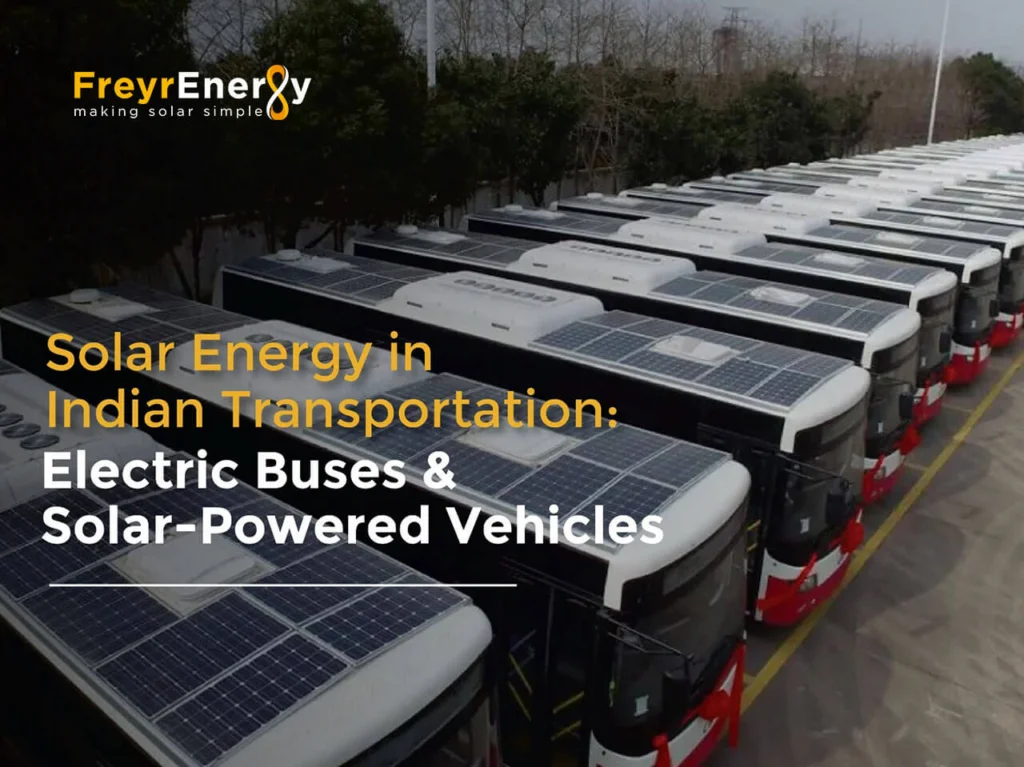
- Electric Mobility: Delhi’s 2,000+ electric buses reduce transport emissions, potentially generating thousands of credits annually.
- Urban Afforestation: Plantation drives along the Yamuna and in parks sequester CO2, enhancing urban lungs.
- Solar Power: Rooftop installations cut fossil fuel dependency.
- Waste-to-Energy: Modern plants minimise methane from landfills.
Following models from Meghalaya and Arunachal Pradesh, this initiative could generate substantial income, accelerating welfare while curbing pollution. CM Gupta highlighted its role in combating climate change responsibly.
How to Calculate Carbon Credit in India: Step-by-Step with Examples
Calculating carbon credits under CCTS involves the formula: CCCs = (Target GHG Intensity - Achieved Intensity) × Production Quantity.
Detailed steps:
- Define Boundaries: Gate-to-gate, including Scope 1 (direct) and Scope 2 (indirect) emissions.
- Measure Emissions: Use fuel net calorific values and IPCC GWP to convert to CO2e.
- Set Baseline: Historical or sector targets.
- Adjust for Additionality/Leakage: Ensure reductions are extra and account for external impacts.
- Verify: Accredited auditors confirm.
Example: A cement plant with 1 million tonnes production, target intensity 0.62 tCO2e/tonne, achieves 0.59. CCCs = (0.62 - 0.59) × 1,000,000 = 30,000 credits. For farms, tools like Boomitra’s calculator estimate 1-4 tCO2e/acre via practices like cover cropping.
How Much is One Carbon Credit Worth?
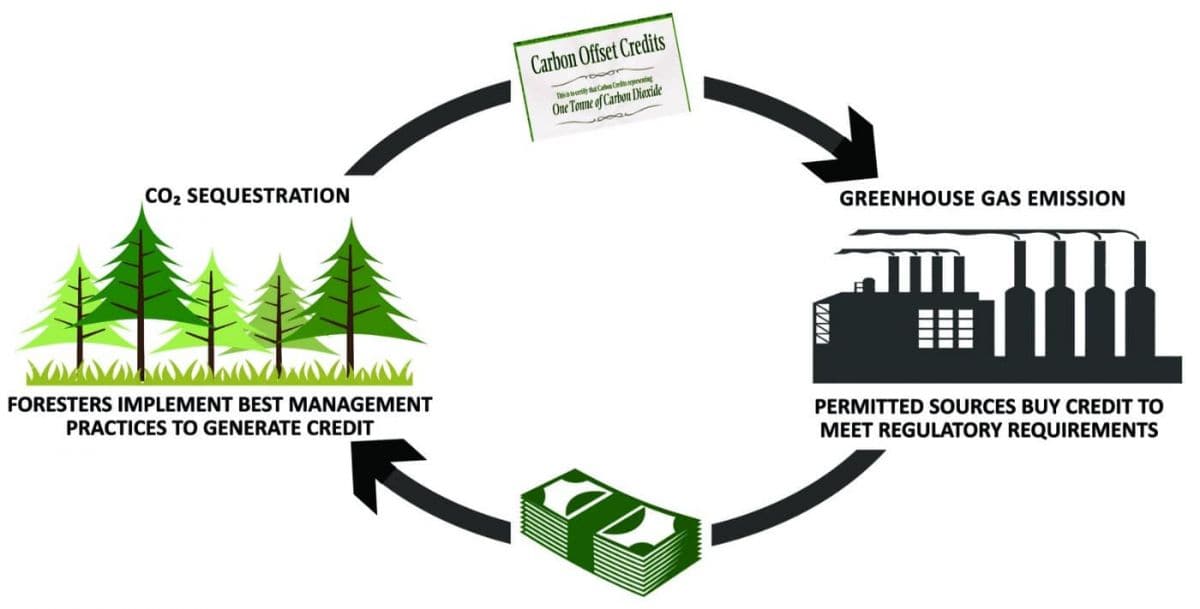
Prices vary: Voluntary market averages ₹200-300/tCO2e, but compliance starts at ~₹830 ($10). High-integrity credits (e.g., biochar) fetch ₹1,200-2,000. Projections: ₹500-700 by 2030, influenced by demand and certification like Verra. Delhi’s urban credits could command premiums due to co-benefits like air quality improvement.
Who is the Largest Seller of Carbon Credit in India?
EKI Energy Services leads, supplying 180+ million offsets from 2,000+ projects in renewables and clean cooking. Varaha follows with deals like Microsoft’s 100,000t biochar offtake. ReNew Power and Greenko also dominate via wind/solar and hydropower. Emerging players like Boomitra focus on agriculture.
How Much Can You Earn from Carbon Credits in India? Case Studies
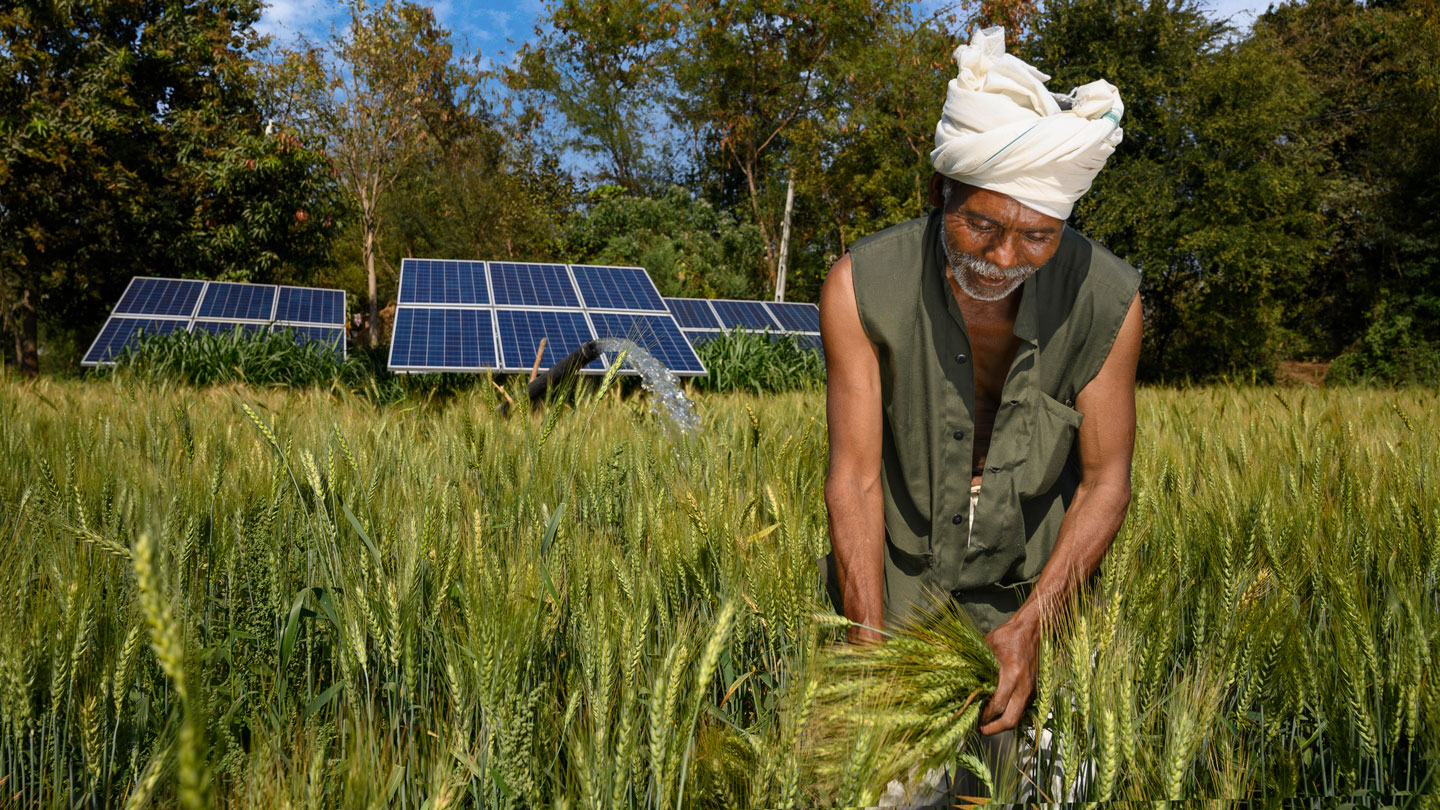
Earnings depend on scale: Farmers earn ₹2,000-5,000/acre yearly. A 10-hectare farm: ₹50,000-1,00,000.
Case Study 1: NDDB Dairy Farmers – Rajasthan and Assam farmers received payments from manure management credits, funded by EKI.
Case Study 2: BluSmart – Earned credits from EV fleet, becoming India’s first mobility firm accredited.
Case Study 3: Delhi Metro – Sold 3.55 million credits, earning ₹19.5 crore.
How Do I Register My Farm for Carbon Credit in India?
Steps for 2026:
- Eligibility Check: Adopt regenerative practices (e.g., no-till).
- Select Standard: CR-I, Verra (VM0042 for soil).
- Project Design Document (PDD): Outline baselines, monitoring.
- Register: Via CR-I or platforms like Boomitra/Varaha.
- Monitor/Verify: Annual reports, audits.
- Issue/Trade: Sell CCCs.
Programs like Boomitra’s SOVIN project registered 23,000 farmers, removing 89,299 tCO2e/year. Avoid pitfalls: Ensure accurate data, partner with aggregators.
Benefits for Farmers and Rural Economy
Carbon credits diversify income, enhancing resilience. In Gujarat, MoUs generate ₹2,217 crore from mangroves. Nationally, agriculture could yield 27 million credits worth ₹2,200 crore. This boosts rural economies, creates jobs in verification, and promotes soil health.
Challenges and Solutions in Implementation
Challenges: High verification costs, price volatility, additionality proofs. Solutions: Government subsidies, digital tools for MRV, price floors. Delhi’s no-liability model addresses funding hurdles.
Global Comparisons and Future Outlook
India’s CCTS mirrors EU ETS but focuses on intensity. By 2030, market could hit USD 47.5 billion. Linkages with international registries will boost liquidity.
Practical Implications: Environmental and Economic Wins
This initiative cuts emissions, creates green jobs, and funds infrastructure. For individuals: Join community projects. Businesses: Offset for CSR. Farmers: Sustainable income amid climate risks.

FAQs on Carbon Credit Trading in India
Q: How to calculate carbon credit in India for a small farm?
A: Use online calculators; e.g., 2 tCO2e/acre from agroforestry.
Q: Is there a carbon credit system in India for individuals?
A: Yes, via voluntary markets.
Q: Who is the largest seller of carbon credit in India?
A: EKI Energy Services.
Q: How much can you earn from carbon credits in India?
A: ₹2,000-5,000/acre for farmers.
Conclusion: Towards a Greener, Prosperous India
Delhi’s framework exemplifies how carbon credit trading merges environmental protection with sustainable income. As CCTS compliance begins in 2026, seize opportunities—register your farm or support green projects. Together, we build a resilient future.
Article by Devanand Sah | Published: January 2026
.webp)


0 Comments:
Post a Comment